
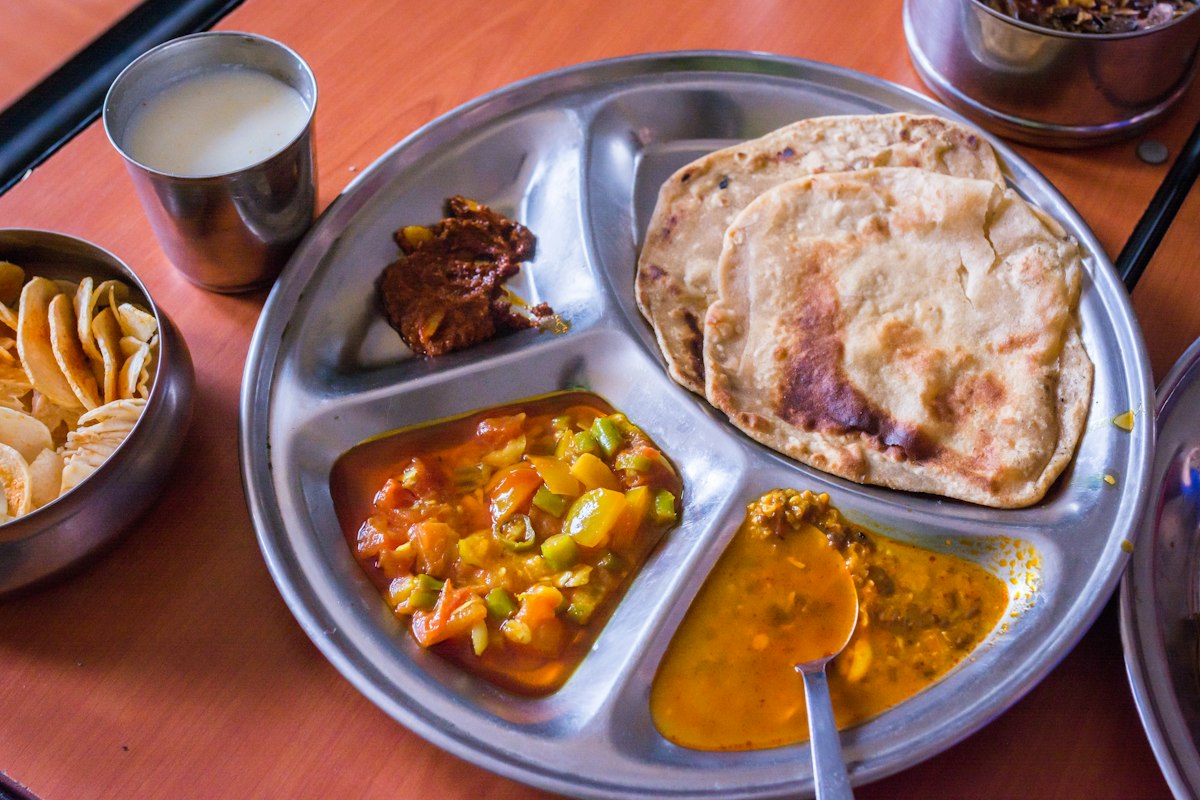
Gluten-Free Curry Options: Safety and Menu Guide
The Surprising Truth About Curry and Gluten
Walk into any curry restaurant in Britain and ask the waiter "What's gluten-free?" and you'll likely get one of two responses: a confident but incorrect "Everything's fine apart from the naan" or a panicked look and a mumbled "I'll ask the chef." Neither inspires confidence in a coeliac customer who knows that even a trace of gluten can trigger days of debilitating symptoms. The reality is more nuanced than both answers suggest — many curries are indeed naturally gluten-free, but hidden sources of gluten lurk in places that surprise even experienced chefs.
With coeliac disease affecting roughly 1 in 100 people in the UK (and many more choosing to avoid gluten by preference), getting this right isn't a niche concern. It's a genuine revenue opportunity. Coeliac customers are famously loyal to restaurants that cater to them safely, and they talk — online forums, coeliac support groups, and social media pages dedicated to gluten-free dining are followed by hundreds of thousands of people actively looking for safe places to eat.
Curries That Are Naturally Gluten-Free
The good news is that a traditional curry — spices, onions, tomatoes, meat or vegetables, oil or ghee — contains no gluten whatsoever. Most of the core dishes on a typical curry house menu are naturally safe:
- Most gravy-based curries — Tikka masala, korma, madras, vindaloo, jalfrezi, bhuna, and rogan josh are all typically gluten-free when made from scratch with fresh spices and traditional methods.
- Rice dishes — Plain basmati rice, pilau rice, and most biryanis are naturally gluten-free (though always check seasoning blends).
- Tandoori grills — Chicken tikka, lamb chops, seekh kebabs (if made with gram flour rather than breadcrumbs), and tandoori paneer are typically safe.
- Dals — Tarka dal, chana dal, moong dal — lentil dishes are inherently gluten-free.
- Vegetable sides — Saag aloo, aloo gobi, matter paneer, and similar dishes are naturally safe.
Where Gluten Hides in a Curry Kitchen
Here's where things get treacherous. While the base recipes may be gluten-free, the actual practice of a busy curry kitchen introduces gluten in ways that aren't immediately obvious:
Naan Bread and Wheat-Based Breads
Obviously, naan, chapati, paratha, and puri all contain wheat flour. But the contamination risk extends beyond the bread itself. If naan dough is prepared on the same surface where other food is plated, or if the same hands handle naan and then garnish a curry, you've got cross-contact.
Bhajis, Pakoras, and Samosas
These are battered or wrapped in wheat-based pastry and deep-fried. The fryer oil now contains gluten. Anything else fried in that same oil — poppadoms, for instance — picks up gluten contamination. This catches people out constantly, because poppadoms are made from lentil flour (naturally gluten-free) but become contaminated through shared oil.
Commercial Spice Mixes and Curry Powders
Some pre-blended spice mixes contain wheat flour as an anti-caking agent or bulking ingredient. Soy sauce (which contains wheat) sometimes appears in curry house recipes, particularly in Chinese-influenced dishes on the menu. Always check the ingredients list on every commercial product you use.
Thickening Agents
Some restaurants use wheat flour to thicken gravies. While this isn't traditional practice (Indian cooking uses onion paste, yoghurt, ground nuts, or tomato for body), it happens in busy kitchens looking for shortcuts. If you're making your restaurant gluten-free friendly, ensure your entire team knows that wheat flour must never be used as a thickener.
Making Your Restaurant Genuinely Gluten-Free Safe
Kitchen Protocols
Dedicate separate fryer oil for gluten-free items (or replace the oil after frying wheat-based products). Use separate utensils — colour-coded ladles and spoons are a simple, visual system. Designate a specific area of the kitchen for preparing gluten-free orders and clean it thoroughly before each use. Store gluten-free ingredients (gram flour, rice flour, gluten-free spice blends) away from wheat products.
Staff Training
Every member of your team — kitchen and front of house — must understand what gluten is, where it appears in your menu, and why cross-contamination matters. A single breadcrumb can trigger a coeliac reaction. This isn't about preference; it's about a genuine autoimmune condition. Train staff to take gluten-free requests as seriously as nut allergy requests.
Menu Labelling
Be precise with your labelling. Under UK food law, you can mark a dish as "gluten-free" only if you can demonstrate that it contains fewer than 20 parts per million of gluten and that you have procedures in place to prevent cross-contamination. If you cannot guarantee this level of control, use the phrase "no gluten-containing ingredients" instead — it's honest without making a claim you can't substantiate.
The Coeliac Customer Perspective
A coeliac customer walking into your restaurant is already anxious. They've probably been glutened at a restaurant before — it's a depressingly common experience — and they're scanning for signs that you take it seriously. A clearly marked menu helps. A knowledgeable server helps more. But what truly builds trust is a kitchen that has genuine procedures in place, communicated confidently and cheerfully.
For comprehensive allergen management across your menu, read our guide to allergen management for curry restaurants. And for the broader legal framework, our article on Natasha's Law explains labelling requirements for pre-packed items.
Related Articles
How to Source Halal Meat for Your Restaurant
Halal certification matters to a huge portion of your customer base. Here's how to source it properly and maintain trust.
Food Safety for Street Food and Market Traders
Selling curry at markets and festivals? The food safety rules still apply — and they're slightly different from a fixed restaurant.

GDPR Compliance for Restaurant Customer Data
If you collect customer emails, phone numbers, or booking data, GDPR applies to you. A simple guide for restaurant owners.