
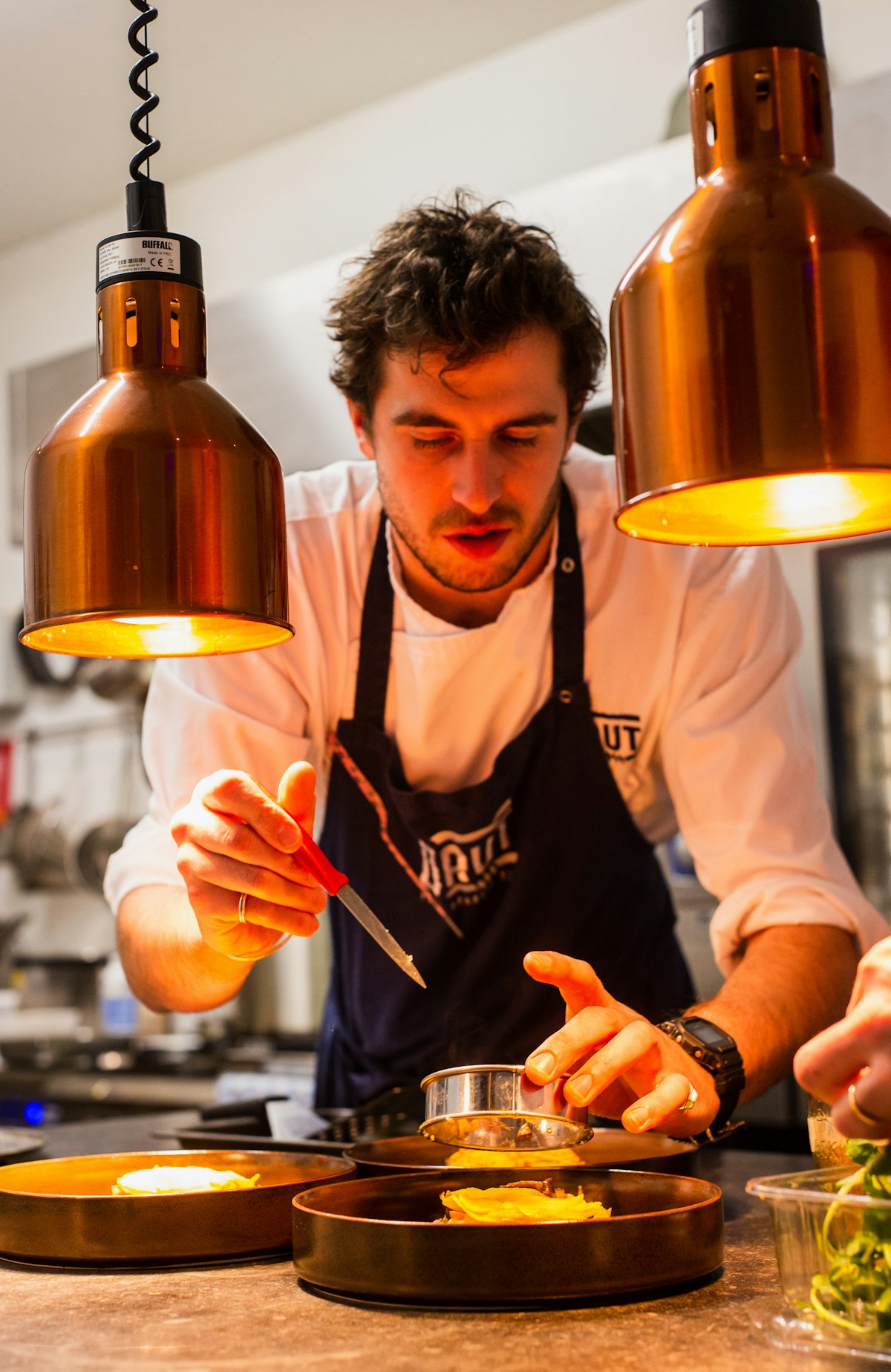
How to Become a Curry Chef in the UK
A Career That Feeds Millions
Every week, Britain's curry restaurants and takeaways serve approximately 18 million meals. Behind every one of those plates is a chef — someone who's mastered the art of balancing spices, the instinct for knowing when a sauce is ready, and the stamina to deliver consistency through hours of intense, high-pressure service. If you're reading this because you're thinking about becoming one of those chefs, brilliant. The industry needs you. But let's be honest about what you're getting into — the rewards, the realities, and the route that's right for you.
Routes Into the Kitchen
There's no single path to becoming a curry chef. The industry is unusually democratic in this regard — formal qualifications help, but they're not essential. What matters is skill, palate, dedication, and the willingness to learn. Here are the main routes:
The Traditional Route: Learning on the Job
Historically, and still commonly today, many of Britain's finest curry chefs started at the very bottom — washing pots, peeling onions, prepping vegetables. This KP (kitchen porter) to chef progression was the standard career path for decades, particularly in family-run restaurants where sons, nephews, and cousins learned by observation and repetition.
The advantage of this route is total immersion. You learn not from textbooks but from watching experienced chefs work — how they judge oil temperature by sound, how they adjust seasoning by instinct, how they manage a dozen dishes simultaneously during peak service. It's an apprenticeship in the truest sense, and it produces chefs with an intuitive understanding of curry that's hard to replicate in a classroom.
The downside is that it's slow (3-5 years to reach competence, longer to excel), physically demanding, and the early years are poorly paid. Starting wages for kitchen staff are typically £10-12 per hour, rising to £12-15 as you develop skills.
College Courses and Formal Qualifications
Several UK colleges offer professional cookery qualifications that include modules relevant to South Asian cuisine:
- City & Guilds Diploma in Professional Cookery (Level 2 and 3): A broad culinary qualification covering techniques, food safety, and menu planning. Not curry-specific, but provides a solid foundation.
- NVQ in Professional Cookery: A competency-based qualification assessed in the workplace. Ideal for combining study with on-the-job learning.
- BTEC in Hospitality: Covers both front-of-house and kitchen skills, useful for those who might want to manage a restaurant eventually.
Some colleges in areas with strong South Asian communities — Birmingham, Bradford, Leicester, parts of London — offer modules specifically on Indian and South Asian cooking. Our article on culinary training programmes lists current options.
Apprenticeships
The government-supported apprenticeship scheme offers a structured route into professional kitchens, combining on-the-job training with day-release college study. Commis Chef (Level 2) and Chef de Partie (Level 3) apprenticeships are available, typically lasting 12-18 months. Apprentices earn at least the apprenticeship minimum wage (currently £6.40/hour, though many employers pay more) and gain a recognised qualification.
Essential Skills
Beyond the technical ability to cook, successful curry chefs share several core attributes:
Palate: The ability to taste a sauce and know instantly what it needs — more salt, another minute of cooking, a touch more acid. This can be developed but benefits enormously from early exposure to complex flavours. If you grew up eating diverse, well-seasoned food, you have a head start.
Organisation: A curry kitchen during peak service is controlled chaos. The ability to manage multiple dishes at different stages of preparation, time everything to land together, and keep your section clean requires organisational skills that border on the obsessive.
Stamina: Curry kitchens are hot — tandoors radiate enormous heat, multiple gas burners run simultaneously, and there's rarely adequate ventilation. Shifts of 10-12 hours on your feet, in intense heat, with relentless pressure, are standard. Physical fitness matters.
Speed: A busy curry house might send out 150 covers in three hours. That's a dish every 72 seconds. Speed without sacrificing consistency is what separates a good curry chef from an adequate one.
Realistic Salary Expectations
Let's talk money honestly, because unrealistic expectations lead to disappointment:
- Kitchen porter / commis: £20,000-£22,000 per year
- Chef de partie: £22,000-£26,000
- Sous chef: £26,000-£32,000
- Head chef: £30,000-£40,000 (higher in London and premium establishments)
- Head chef at a fine dining Indian restaurant: £40,000-£55,000+
These figures are for employed positions. Running your own kitchen, or owning your restaurant, has unlimited upside but comes with corresponding risk. The career paths guide explores progression routes in detail.
Day-to-Day Realities
A typical day for a curry chef might look like this: arrive at 10am for prep, spend three hours chopping, grinding, making base sauces, marinating meats. Brief break. Lunch service from 12-2:30pm (if the restaurant serves lunch). Longer break or continued prep. Evening service from 5:30-10:30pm, which is where the real intensity hits. Clean down from 10:30-11pm. Home by midnight. Repeat five or six days a week.
It's not glamorous. Television cooking shows bear no resemblance to the reality of a working curry kitchen. But for those who love it — and many genuinely do — there's a deep satisfaction in feeding people brilliantly, night after night, and knowing that your skill and your palate are what makes it happen.
Is It Worth It?
If you love food, thrive under pressure, and find genuine joy in the craft of cooking, a career as a curry chef can be deeply rewarding. The industry is crying out for skilled chefs — there's virtually guaranteed employment for anyone competent, and real opportunities for those who are talented. Just go in with your eyes open, your expectations realistic, and your knives sharp.
Related Articles

Amritsari Fish and the Tandoori Roots of Punjabi Restaurant Cooking
Crisp, gram-flour-battered Amritsari fish is one of Punjab's great street-side pleasures, born of dhaba culture and the same tandoor tradition that shaped the British curry house. Here is how it is made and why it matters.
Awadhi Kakori Kebab: The Silk-Smooth Skewer That Demands a Hundred Spices
The Kakori kebab of Lucknow is the most refined of all minced-meat kebabs, tenderised with raw papaya and bound with finely pounded mince and a long list of spices. Its silken texture is the legacy of Awadh's nawabi kitchens.

Goan Vindaloo, Properly: Vinegar, Garlic and the Portuguese Carne de Vinha d'Alhos
The real Goan vindaloo is a vinegar-and-garlic pork curry descended from a Portuguese dish, not a contest to see who can stand the most chilli. Here is how to reclaim it from the British curry-house heat menu.