

Cash Flow Management Tips for Small Restaurants
Profit Doesn't Pay Bills — Cash Does
You could have the most profitable curry restaurant on paper and still go under. It sounds contradictory, but it happens more often than you'd think. A restaurant in Leeds we know showed a healthy £45,000 annual profit on their accounts — and still couldn't pay their meat supplier on time. The problem wasn't profitability. It was cash flow.
Cash flow is simply the timing of money coming in versus money going out. Your customers pay you today, but your landlord, suppliers, HMRC, and staff all want their money on different dates throughout the month. Mismanage that timing and you're bouncing payments, losing supplier credit, and lying awake at 3am wondering how to make payroll.
Weekly vs Monthly Cash Flow Tracking
Monthly tracking isn't enough for restaurants. Things move too fast. We recommend a weekly cash flow review — every Monday morning, 30 minutes, non-negotiable. Look at:
- What came in last week (card takings, cash, delivery platform payouts)
- What's going out this week (supplier invoices, wages, direct debits)
- Your bank balance right now versus this time last week
- Any upcoming large payments in the next 14 days
Create a simple spreadsheet with these four data points. Over time, you'll spot patterns — and patterns let you plan ahead rather than react in panic.
Managing Supplier Payment Terms
This is one of the biggest levers you have. Many new restaurant owners accept whatever terms their suppliers offer, which is typically 7 days or even cash on delivery. But with a track record and some negotiation, you can often extend to 30 or even 60 days.
How to negotiate better terms:
- Build reliability first. Pay on time for 3-6 months. Then have the conversation.
- Consolidate orders. Suppliers are more flexible with customers who spend £2,000/month with them than those spending £300.
- Ask directly. "We'd like to move to 30-day terms. Our order volume has been consistent at £X per month." Most say yes.
- Use it wisely. Extended terms aren't free money — you still owe it. But having an extra 23 days of cash sitting in your account gives you breathing room.
The Seasonal Cash Flow Rollercoaster
Every curry restaurant owner knows the pattern, but few plan for it financially:
The January Slump
After the December boom (office parties, Christmas meals, New Year's Eve), January hits like a cold shower. Revenue can drop 30-40% as everyone does Dry January and tightens their belts. If you haven't set aside cash from December, you're in trouble. The solution: ring-fence 15-20% of December's takings specifically for January's overheads.
Summer Dip
July and August are traditionally quieter as people go on holiday and eat out less on hot evenings. Delivery can actually increase in summer, though, so make sure your delivery game is strong during these months.
The Boom Months
October through December is peak season. Bonfire Night, Diwali, the Christmas party season — this is when you build your reserves. Don't spend it all on that fancy new tandoor in November. Save it for January.
Building an Emergency Fund
Every restaurant should hold three months' fixed costs in reserve. For a typical curry restaurant, fixed costs (rent, insurance, loan repayments, basic utilities) run around £8,000-15,000 per month. That means you need £24,000-45,000 accessible at all times.
That sounds like a lot, and it is. Build it gradually — set aside 5% of weekly takings until you hit your target. This fund exists for genuine emergencies: the extraction system breaks, a key member of staff needs paying out, or a pandemic shuts you down for three months. It's not for new furniture or a refurb — that comes from planned capital expenditure.
Practical Cash Flow Boosters
Speed Up Money Coming In
- Switch to card payments predominantly — they settle in 1-3 days versus cash which needs banking
- Chase delivery platform payouts — Deliveroo and Just Eat pay weekly, but Uber Eats can be set to daily payouts
- Offer gift vouchers — customers pay you now for food they'll eat later. That's free cash flow.
- Deposit requirements for large bookings — a £10/head deposit for parties of 8+ protects against no-shows and brings cash forward
Slow Down Money Going Out
- Negotiate supplier terms as discussed above
- Time your big purchases for after peak weekends, not before
- Use business credit cards with 30-day interest-free periods for non-food purchases
- Stagger equipment purchases rather than buying everything at once
When to Worry
Red flags that mean you need to act immediately: your bank balance has been declining for three consecutive weeks, you're regularly dipping into your overdraft in the second half of the month, or you're delaying supplier payments beyond terms. Any of these should trigger a full financial review.
Understanding the basics of restaurant accounting is essential for managing cash flow effectively — our guide on restaurant accounting basics covers the fundamentals. And if you're still in the planning phase, make sure your startup budget is realistic by reading our piece on how much it costs to open a curry restaurant.
Cash flow management isn't glamorous. It won't win you any awards or Instagram followers. But it's the difference between restaurants that survive their first three years and the 60% that don't.
Related Articles

Wedding Catering with Indian Food: A Growing Trend
Indian wedding catering has gone mainstream in the UK. From intimate receptions to grand affairs, curry is the new wedding feast.
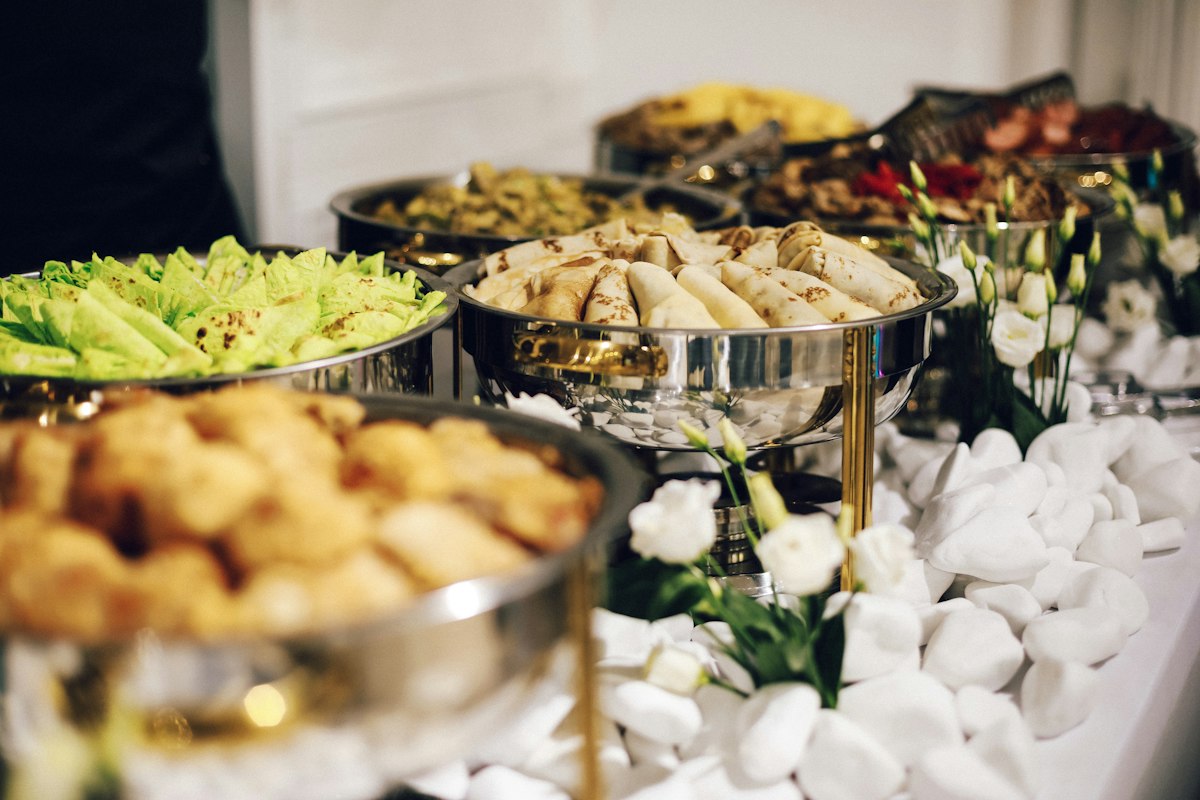
Catering for Large Events: A Curry Restaurant Guide
Taking your curry off-site for events is a smart revenue stream. But large-scale catering has its own challenges and rules.

EPOS Systems Compared for Indian Restaurants
The right EPOS system does more than take payments. Compare the top options for curry restaurants by features, cost, and value.