
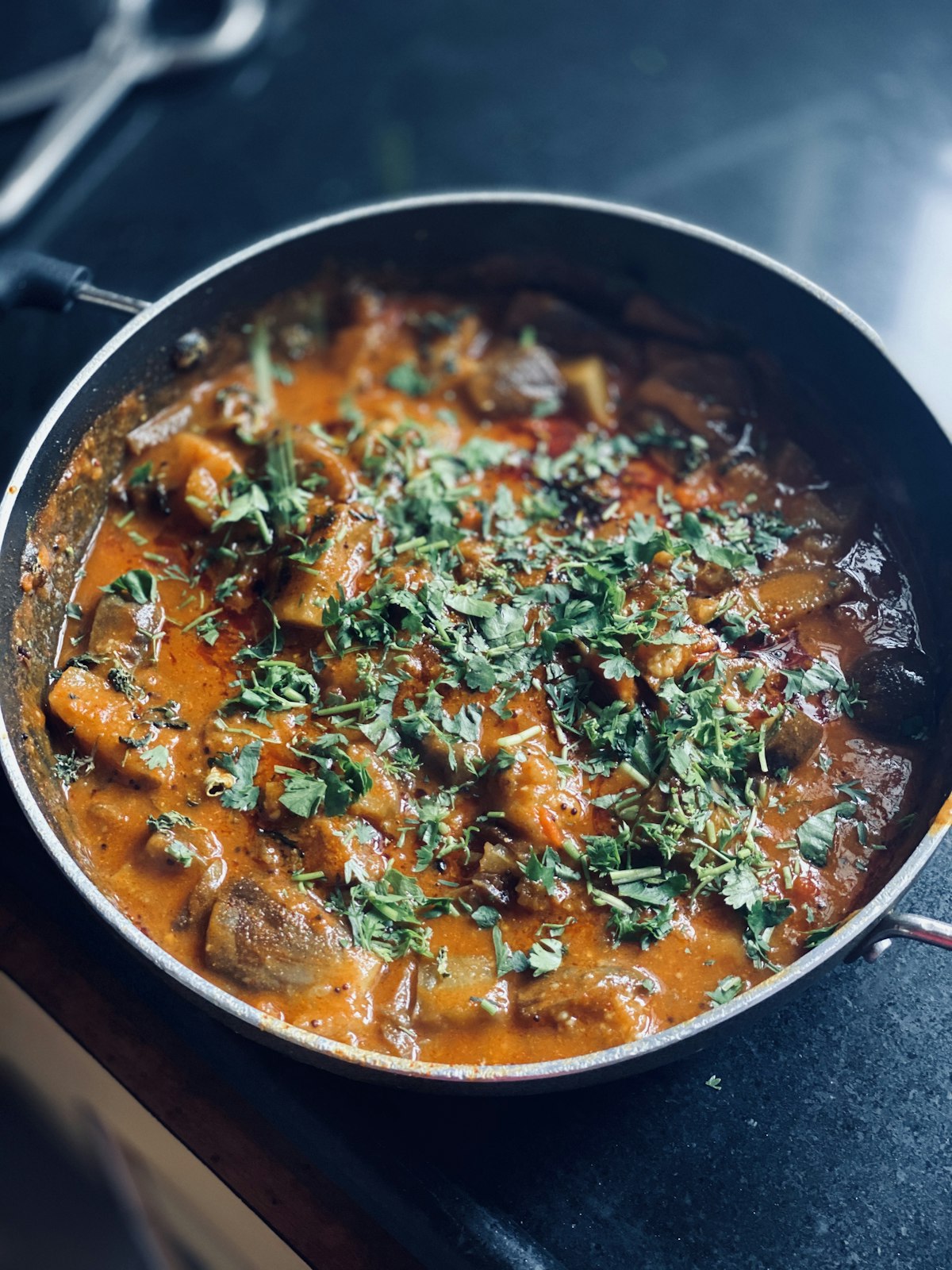
Essential Spice Guide for Authentic Indian Cooking
Understanding the Indian Spice Cabinet
Spices are the foundation of Indian and South Asian cooking, and understanding how to select, store, and use them is essential for creating authentic flavours at home. This comprehensive guide covers the most important spices you need in your kitchen, along with practical advice on building your collection.
Many home cooks feel overwhelmed by the variety of spices used in Indian cooking, but the truth is that a well-stocked spice cabinet of around 15-20 key ingredients will cover the vast majority of recipes. The key is understanding which spices to use whole, which to use ground, and how heat transforms their flavour profiles.
The Essential Whole Spices
- Cumin seeds: Used as a tempering spice in hot oil at the start of cooking. They release a warm, earthy aroma when they crackle in the pan.
- Mustard seeds: Essential for South Indian cooking. Black mustard seeds pop when heated, releasing a sharp, pungent flavour.
- Cardamom pods: Both green and black varieties are used. Green for desserts and lighter dishes, black for hearty meat curries.
- Cinnamon sticks: Added to rice dishes and slow-cooked curries for warm, sweet depth.
- Bay leaves: Indian bay leaves differ from European varieties and add a subtle background flavour.
- Cloves: Used sparingly for their intense, warming flavour in meat dishes and biryanis.
- Fenugreek seeds: Slightly bitter when raw but develop a maple-like sweetness when toasted.
Ground Spice Essentials
Ground spices lose their potency more quickly than whole ones, so buy in small quantities and replace every six months. For the freshest flavour, consider buying whole spices and grinding them yourself using a dedicated spice grinder or mortar and pestle.
- Turmeric: The golden backbone of Indian cooking, used in almost every curry for colour and its earthy, slightly bitter flavour.
- Coriander powder: Provides a citrusy, floral base note to curry sauces.
- Cumin powder: Adds warmth and earthiness. Essential for garam masala blends.
- Kashmiri chilli powder: Provides vibrant red colour with moderate heat. Far superior to generic chilli powder.
- Garam masala: A warming blend typically containing cinnamon, cardamom, cloves, cumin, and black pepper.
Storage and Freshness Tips
Proper storage is crucial for maintaining spice quality. Keep all spices in airtight containers away from direct sunlight, heat, and moisture. A cool, dark cupboard is ideal. Never store spices above the cooker, as steam and heat accelerate deterioration.
Whole spices stored correctly can last up to two years, while ground spices should ideally be replaced every six to twelve months. If a ground spice has lost its aroma when you open the container, it is time to replace it. For sourcing quality spices, check our guide to sourcing premium spices.
The Art of Tempering
Tempering, known as tadka or baghar, is a fundamental Indian cooking technique where whole spices are briefly fried in hot oil or ghee to release their essential oils. This flavoured oil is then used as the base for cooking or added as a finishing touch to dishes like dal and raita.
The key to successful tempering is having all your spices measured and ready before you begin, as the process happens very quickly. Heat the oil until shimmering, add the spices in order from those needing the most cooking time to the most delicate, and be ready to add your next ingredients as soon as the spices begin to crackle and release their aroma.
Building Your Spice Collection
Start with the ten most commonly used spices and gradually expand your collection as you try new recipes. Visit specialist Indian grocery stores for the best quality and value, as supermarket spice sections are often overpriced and less fresh. Many London restaurants source their spices from specialist importers who also sell to the public.
Related Articles
Shorshe Ilish: The Bengali Art of Hilsa in Mustard Gravy
Shorshe ilish marries the oily, intensely flavoured hilsa fish with a sharp mustard gravy in a dish that sits at the very heart of Bengali identity. Here is how it is built, why the bones matter, and how to tame the bitterness of the mustard.

Kosha Mangsho: How Bengalis Slow-Cook Mutton to Mahogany
Kosha mangsho is Bengal's deep, dark, celebratory mutton curry, coaxed to a mahogany sheen through slow reduction rather than added colour. This is the bhuna-style technique behind the wedding-and-festival classic, and how to serve it with luchi.

Chingri Malai Curry: Bengal's Prawn and Coconut Showpiece
Chingri malai curry pairs plump prawns with a silky, gently spiced coconut gravy in one of Bengal's grandest dishes. We trace its possible Malay roots, explain how to pick the right prawns, and share the technique that keeps the coconut milk from splitting.