

Reducing Food Waste in Your Curry Restaurant Kitchen
The Scale of the Problem
British restaurants throw away roughly 900,000 tonnes of food every year. That's not just an environmental disaster — it's money in the bin. For the average curry restaurant turning over £400,000 annually, food waste typically accounts for £20,000-30,000 in lost value. Imagine what you could do with that money: upgrade your kitchen, hire another chef, or simply take home a decent profit for once.
The good news? Curry restaurants are actually better positioned to reduce waste than most, thanks to the base gravy system that's been the backbone of British curry house cooking for decades. But there's much more you can do beyond that. Let's dig into practical, curry-specific strategies that'll save you thousands.
The Food Waste Hierarchy
Before you start, understand the priority order set out by WRAP (the Waste and Resources Action Programme):
- Prevention — don't create waste in the first place
- Redistribution — give surplus food to those who need it
- Recycling — compost or use anaerobic digestion
- Recovery — energy from waste
- Disposal — landfill as an absolute last resort
Most restaurants jump straight to disposal. The real savings come from prevention and redistribution.
Curry-Specific Waste Reduction Strategies
The Base Gravy System: Your Secret Weapon
If you're running a traditional curry house, you're probably already making base gravy — that universal onion-tomato-spice stock that forms the foundation of most dishes. This system is inherently waste-reducing because it uses whole onions (including the bits you'd normally trim), tomato trimmings, and vegetable offcuts. A well-managed base gravy operation means almost zero vegetable waste.
The key is making the right volume. Track your daily usage over a month, then produce to match. Most restaurants we work with were making 20-30% more base gravy than needed, pouring the excess down the drain every night.
Protein Portioning
Weigh your proteins. Every single time. A chicken breast that should be 180g but actually goes out at 220g doesn't seem like much — until you multiply that 40g overserve by 80 chicken dishes a week. That's 3.2kg of extra chicken weekly, or roughly £600 per month at current prices.
Invest in portion scales for every station. They cost £30-50 each and pay for themselves within a fortnight.
Vegetable Trimmings for Stock
Keep a "stock bag" in the freezer. Every time you trim cauliflower, peel carrots, or top and tail green beans, the trimmings go into the bag. Once it's full, boil it down into a rich vegetable stock for dal, soups, or rice cooking liquid. What was heading to the bin becomes a flavour base that would cost you £2-3 per litre to buy commercially.
Bread Management
Naan and roti are among the most wasted items in curry restaurants. They're made fresh, go stale quickly, and over-production is common. The solution: make to order where possible, and for busy services, produce in small batches every 30 minutes rather than one large batch at the start. Day-old naan can be turned into naan chips — slice, brush with butter and spices, bake until crisp. Customers love them as a complimentary starter.
Technology and Tools
Too Good To Go
This app lets you sell surplus food at the end of service as "magic bags" for a third of the normal price. A curry restaurant in Birmingham we spoke to makes an extra £200-300 per week through the app, from food that would otherwise go in the bin. Customers love the surprise element, and you're recovering cost rather than losing everything.
WRAP Toolkit
WRAP offers a free toolkit specifically for hospitality businesses. It includes waste tracking templates, staff training materials, and benchmarking data so you can see how your waste levels compare to similar restaurants. Download it from their website — it's genuinely useful and completely free.
Inventory Management Software
Apps like MarketMan, BlueCart, or even a well-maintained spreadsheet help you track what you're buying versus what you're selling. The gap between the two is your waste. Most owners are shocked when they first measure it accurately.
Staff Training Makes the Difference
Your kitchen team handles the food, so they need to understand why waste reduction matters — not just environmentally, but financially. Show them the numbers. When your commis chef sees that his careless vegetable prep wastes £150 a month, it becomes personal. Run a monthly waste audit where the team weighs everything that goes in the bin over a typical week. Make it visible, make it measurable, make it everyone's responsibility.
For broader sustainability efforts in your restaurant, check out our article on sustainability in the curry restaurant industry. And if you're interested in how some restaurants are taking waste reduction to the extreme, have a read of our piece on zero-waste curry restaurants leading the way.
The Financial Impact
Restaurants that implement a structured waste reduction programme typically cut food waste by 30-50% within six months. For a curry restaurant spending £8,000-10,000 per month on food, that translates to savings of £800-1,500 monthly — or £10,000-18,000 annually. That's not a rounding error. That's a new tandoor, a kitchen renovation, or the difference between survival and thriving.
Start measuring this week. You can't reduce what you don't track.
Related Articles

Wedding Catering with Indian Food: A Growing Trend
Indian wedding catering has gone mainstream in the UK. From intimate receptions to grand affairs, curry is the new wedding feast.
Catering for Large Events: A Curry Restaurant Guide
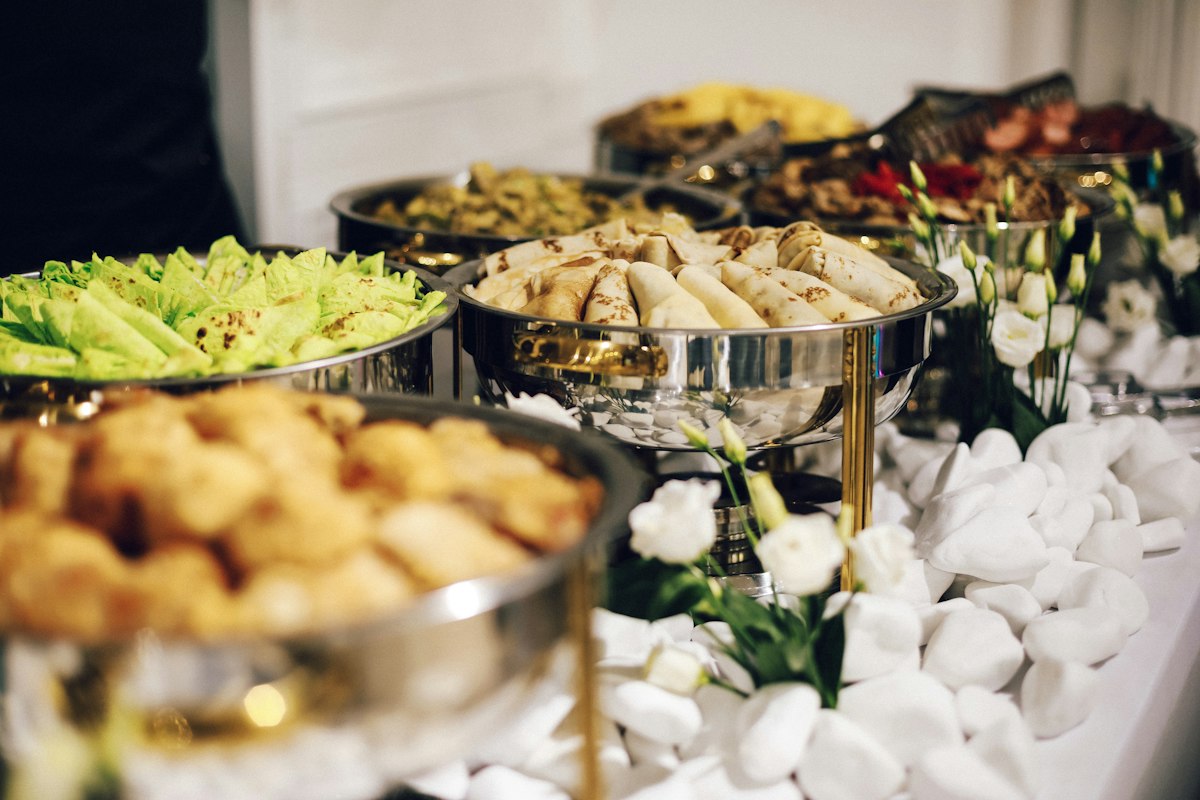
Taking your curry off-site for events is a smart revenue stream. But large-scale catering has its own challenges and rules.

EPOS Systems Compared for Indian Restaurants
The right EPOS system does more than take payments. Compare the top options for curry restaurants by features, cost, and value.