
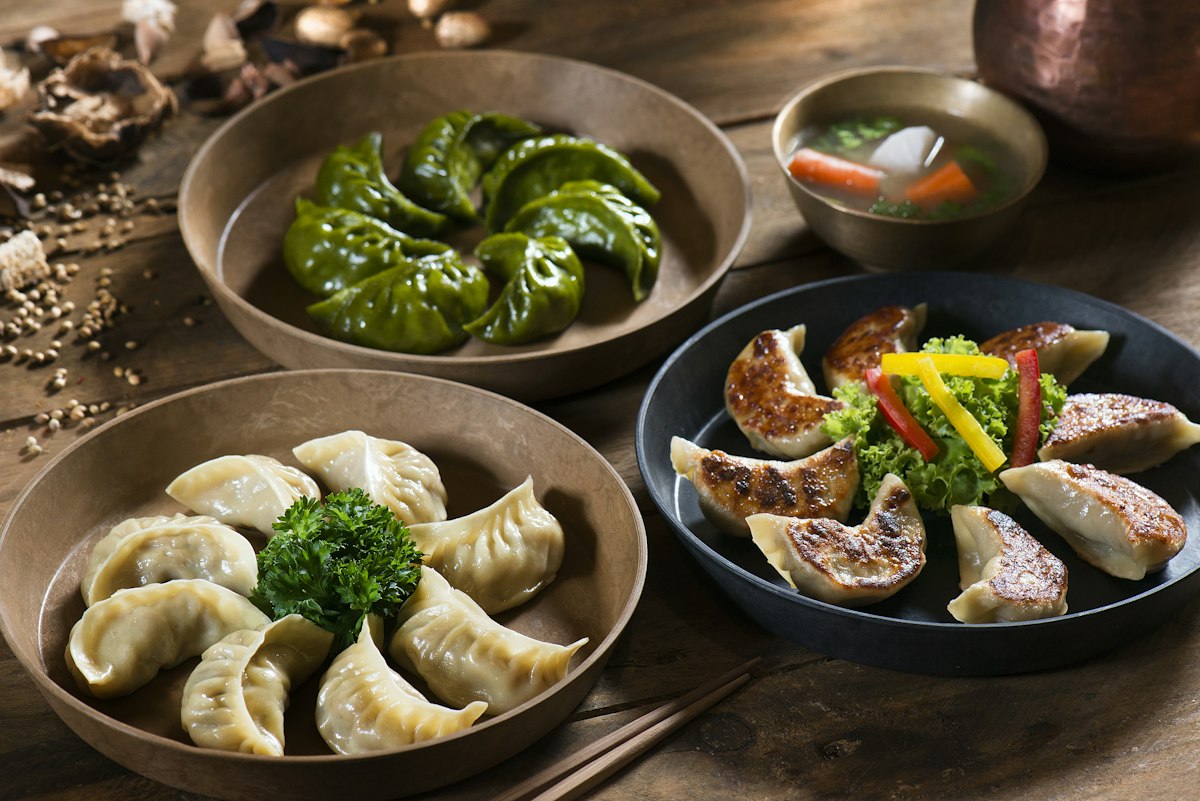
The Comeback of the British Curry Takeaway
Reports of the Takeaway's Death Have Been Greatly Exaggerated
For years, the narrative around British curry takeaways was relentlessly gloomy. Closures dominated the headlines. Industry reports catalogued the decline with depressing precision — hundreds of takeaways shutting their hatches every year, unable to compete with delivery apps, supermarket meal deals, and the sheer convenience of a Deliveroo order from a restaurant across town. But here's what the doom-mongers missed: while some curry takeaways were closing, a completely new generation was emerging. Smarter, leaner, and built for the way people actually eat in 2026.
The British curry takeaway isn't dying. It's shape-shifting. And the operators who understand the new rules are thriving in ways that would have been unimaginable a decade ago.
The Post-Pandemic Takeaway Boom
COVID-19 forced the entire restaurant industry to pivot to takeaway and delivery overnight. What nobody predicted was the permanence of that shift. Consumer behaviour didn't snap back to pre-pandemic norms. Research from Lumina Intelligence shows that takeaway and delivery now accounts for 38% of all restaurant revenue in the UK, up from 22% before the pandemic. People who discovered the convenience of restaurant-quality curry delivered to their door haven't gone back to eating out three times a week — they've settled into a new pattern that includes more takeaway than before.
For curry specifically, the numbers are even more dramatic. Curry has always been Britain's favourite takeaway cuisine, and the pandemic cemented that position. MCA Insight data suggests curry accounts for roughly one in four takeaway orders nationally, rising to one in three in the Midlands and the North. The demand is there. The question is how to capture it profitably.
Click-and-Collect: The Quiet Revolution
The smartest trend in takeaway isn't a new technology — it's the oldest model in the book, reinvented for the smartphone era. Click-and-collect — where customers order and pay online, then pick up from the restaurant at a specified time — eliminates delivery costs entirely while preserving the convenience of digital ordering.
For the customer, it's often faster than delivery (no waiting for a driver), the food arrives hotter (they're collecting it straight from the pass), and there's no delivery charge. For the restaurant, there's no platform commission on collection orders placed through your own website, no driver wages, and no packaging optimised for transit.
Restaurants like Akbar's in Bradford, Mowgli in Liverpool, and dozens of independent curry houses across the country report that click-and-collect now represents 25-40% of their total off-premises orders, and it's growing faster than delivery. The key is making the process frictionless: a simple online ordering system, accurate time estimates, and a dedicated collection point that doesn't force customers to queue behind dine-in guests.
Takeaway-Only Concepts
An increasing number of new curry businesses are launching as takeaway-only operations from day one. No dining room, no tables, no front-of-house staff — just a kitchen, a counter, and a collection hatch. The economics are compelling. A takeaway-only unit on a secondary high street or a small industrial estate can operate with rent of £800-1,500 per month, compared to £3,000-6,000 for a restaurant-sized premises in a prime location. Fit-out costs are a fraction of a full restaurant. Staffing requirements are minimal.
These aren't the dingy, fluorescent-lit takeaways of the 1990s. Modern takeaway-only concepts invest in strong branding, professional packaging, excellent online presence, and carefully curated menus. They compete on quality and convenience rather than ambience and experience. And for a growing number of customers — particularly those ordering for home consumption — that's exactly the right proposition.
The Hybrid Model
Some operators are finding success with a hybrid approach: a small, informal seating area (six to ten covers) alongside a primarily takeaway-focused operation. The seating provides a physical presence and a place for customers to wait, but the business model doesn't depend on filling tables. Revenue is driven by takeaway and delivery, with dine-in as a bonus rather than a necessity. This model keeps overheads low while maintaining the community-facing presence that builds local loyalty.
Navigating the Delivery Platforms
Love them or loathe them, Deliveroo, Uber Eats, and Just Eat are unavoidable for most takeaway operations. They provide access to an enormous customer base and handle delivery logistics. But their commissions — typically 25-35% of the order value — are brutal on margins.
The most successful takeaway operators treat platforms as customer acquisition tools rather than primary sales channels. They use platform visibility to attract new customers, then convert those customers to direct ordering through their own website, where they keep the full margin. Flyers in delivery bags, discount codes for direct orders, loyalty programmes that only work through direct channels — these are the tactics that shift the balance from platform dependency to direct relationship.
Platform Optimisation Tips
- Photography matters enormously — Invest in professional food photography for your platform listings. Dishes with high-quality photos receive 65-80% more orders than those with amateur snaps or no images at all.
- Menu engineering for delivery — Not every dish travels well. Design a delivery-specific menu that features dishes which maintain quality after 20-30 minutes in a bag. Curries, biryanis, and wraps travel brilliantly. Crispy starters and delicate desserts less so.
- Promotions during off-peak — Platforms offer promotional tools (discounted delivery, buy-one-get-one offers) that can drive volume during quiet periods. Use them strategically to fill kitchen capacity without cannibalising peak-hour revenue.
- Response time and acceptance rate — Platforms reward restaurants that accept orders quickly and prepare them efficiently. Your ranking in customer search results is directly influenced by your operational performance metrics.
Packaging as a Brand Statement
Your takeaway packaging is the only physical brand touchpoint most delivery customers ever experience. Cheap, leaky, generic containers communicate cheapness. Branded, well-designed, functional packaging communicates quality and care. The investment is modest — branded containers cost 10-20p more than plain ones — but the impact on perceived value and reorder rates is measurable.
Separate containers for wet and dry items, vented lids for hot dishes to prevent sogginess, clearly labelled allergen information, and a simple "thank you" card with a QR code linking to your direct ordering site. These details distinguish a professional operation from a commodity one.
The Takeaway of the Future
The British curry takeaway of 2026 looks nothing like its predecessor. It's digitally native, operationally efficient, brand-conscious, and strategically positioned across multiple channels. It might operate from a ghost kitchen in an industrial park or a smart shopfront on a suburban high street. It reaches customers through its own website, through delivery platforms, through click-and-collect, and increasingly through subscription models.
For operators ready to embrace this evolution, the opportunity is enormous. Curry remains Britain's favourite takeaway food by a wide margin, and the total addressable market is growing, not shrinking. The operators who adapt will capture that growth. For finding the best takeaways in underserved areas, read our guide to the best curry takeaways in rural England. And for an innovative revenue stream to complement your takeaway, explore our article on subscription meal plans for restaurants.
Related Articles
Building Relationships with Local Farmers and Growers
Local sourcing isn't just trendy — it's good business. How to build supply partnerships with farmers near your restaurant.
Eco-Friendly Takeaway Packaging Alternatives
Plastic takeaway containers are on the way out. These eco-friendly alternatives keep your curry hot and your conscience clear.
Zero-Waste Curry Restaurants Leading the Way
Some UK curry restaurants are achieving near-zero waste. Their innovative approaches are good for the planet and the bottom line.