
When to Renovate Your Curry Restaurant and How
Your Dining Room Is Talking — Are You Listening?
There's a particular kind of blindness that affects restaurant owners. You walk through your dining room every day, and gradually, imperceptibly, it starts looking tired. The burgundy velvet seats that looked luxurious in 2015 are now faded and worn. The flock wallpaper that seemed atmospheric has become a cliche. The carpet near the bar has a mysterious stain that no amount of cleaning will shift. You don't see it anymore, but your customers absolutely do.
The uncomfortable truth is that diners judge your food before they taste it. A dated, shabby restaurant signals that corners are being cut — even if your kitchen is immaculate and your chef is brilliant. Google reviews increasingly mention decor and ambience, and in an era where people photograph their meals, your dining room is part of the product.
Five Signs You Need a Refresh
Not sure if it's time? Here are the telltale signals:
- Your reviews mention the decor negatively. If more than two reviews in the past six months reference "dated," "tired," or "needs updating," customers are telling you something important.
- Your repeat customer rate is declining. People might come once for the food but choose somewhere more appealing for their next visit.
- You're embarrassed to share photos. If you're cropping every Instagram shot tightly to avoid showing the dining room, that's a red flag.
- Your furniture is physically deteriorating. Wobbly chairs, peeling veneer, torn upholstery — these can't be hidden and make the whole operation look unprofessional.
- It's been more than 7-8 years since the last refresh. Interior design trends move fast, and what looked contemporary in 2018 can feel distinctly stale by 2026.
The Phased Approach: Don't Close Down
The biggest fear with renovation is lost revenue. Close for three weeks and you lose £15,000-25,000 in takings, plus the risk that customers find somewhere else and don't come back. The smarter approach is phased renovation:
Phase 1: Quick Wins (1-2 weeks, minimal disruption)
- Repaint walls — this alone transforms a space. Budget £1,000-3,000 for professional painting.
- Replace lighting — swap out dated fixtures for warm, dimmable pendants. £500-2,000.
- New table tops or covers — £1,000-3,000 depending on number of tables.
- Artwork and mirrors — £500-1,500.
Do this work on Monday-Wednesday when you're quieter, or during a planned short break.
Phase 2: Furniture and Soft Furnishings (2-4 weeks)
- New seating — £3,000-8,000 for a 40-cover restaurant. Buy from contract furniture suppliers like Warner Contracts or Trent Furniture who understand hospitality durability requirements.
- Booth reupholstering — £150-300 per booth. Often cheaper than buying new and gives a completely fresh look.
- New curtains or blinds — £500-1,500.
- Flooring — £2,000-6,000 for the dining area. Consider luxury vinyl tile (LVT) over carpet — it's more durable, easier to clean, and looks fantastic.
Phase in section by section. Renovate one half of the dining room whilst seating customers in the other.
Phase 3: Structural Changes (requires planning)
- Bar redesign — £5,000-15,000
- New frontage and signage — £3,000-10,000
- Toilet refurbishment — £3,000-8,000 (never underestimate how much customers judge your toilets)
- Kitchen upgrades — variable, but often coincide with dining room renovation
Design Trends for Modern Indian Restaurants
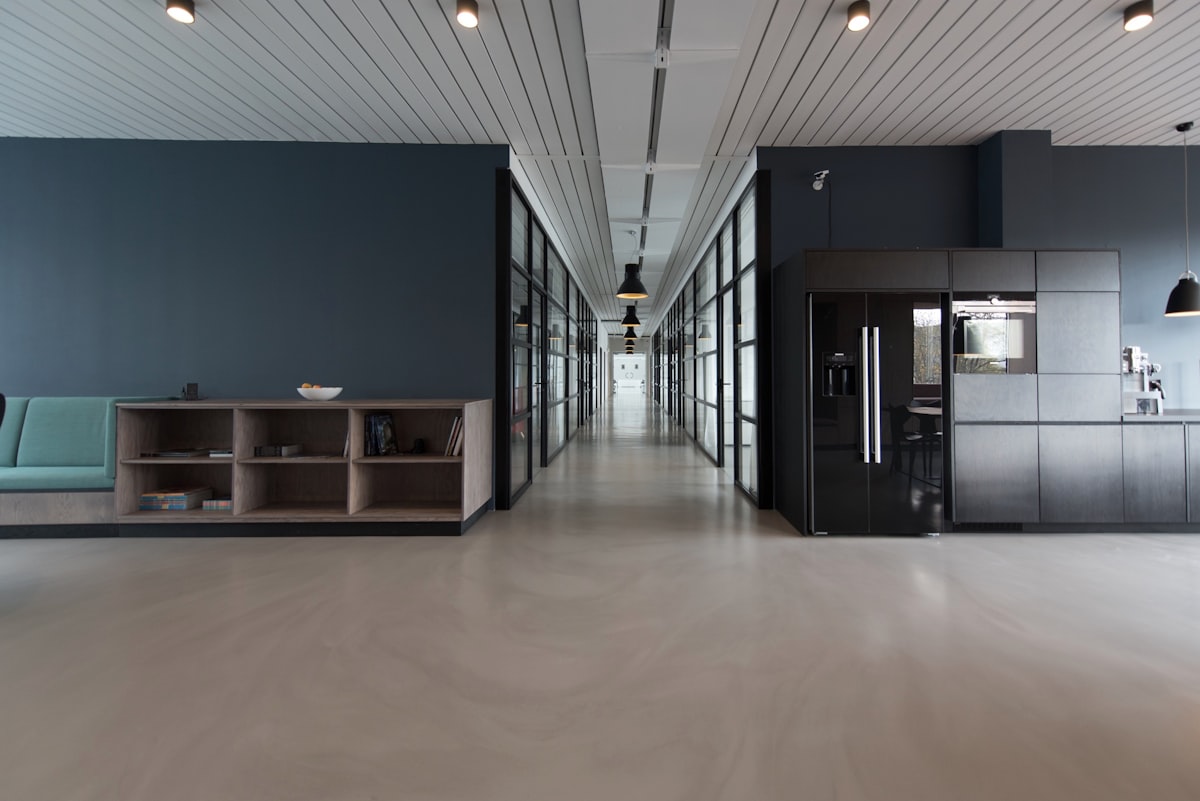
The era of red flock wallpaper and brass ornaments is well and truly over. The most successful modern curry restaurants are moving towards:
- Earthy, natural materials — exposed brick, reclaimed wood, stone accents
- Rich but muted colour palettes — deep teals, warm terracotta, forest greens replacing the traditional reds and golds
- Open or semi-open kitchens — customers love watching the tandoor in action
- Statement lighting — oversized pendants, brass fixtures, Edison bulbs creating intimate pools of light
- Minimal but authentic decorative elements — a few pieces of genuine Indian art rather than tourist-shop clutter
Budget Ranges for 2026
Based on current UK prices for a 40-50 cover curry restaurant:
- Light refresh (paint, lighting, soft furnishings): £5,000-10,000
- Medium renovation (new furniture, flooring, redecoration): £15,000-30,000
- Full renovation (structural changes, new bar, frontage): £40,000-80,000
Maintaining Your Brand Through the Process
A renovation should evolve your brand, not abandon it. If you've built a loyal customer base around a particular atmosphere, changing everything overnight risks alienating them. Involve regular customers in the process — show them mood boards, ask for opinions on social media. They'll feel invested in the new look and become advocates rather than critics.
This ties directly into your broader brand identity — have a read of our article on building a strong brand identity for guidance on ensuring your renovation aligns with your restaurant's story. And if you're considering selling rather than renovating, our guide on selling your curry restaurant successfully explains how presentation affects valuation.
Whatever you decide, remember: the cost of not renovating is invisible but real. Every week with worn-out decor is a week of lost customers who'll never tell you why they stopped coming.
Related Articles
Wedding Catering with Indian Food: A Growing Trend
Indian wedding catering has gone mainstream in the UK. From intimate receptions to grand affairs, curry is the new wedding feast.
Catering for Large Events: A Curry Restaurant Guide
Taking your curry off-site for events is a smart revenue stream. But large-scale catering has its own challenges and rules.

EPOS Systems Compared for Indian Restaurants
The right EPOS system does more than take payments. Compare the top options for curry restaurants by features, cost, and value.