
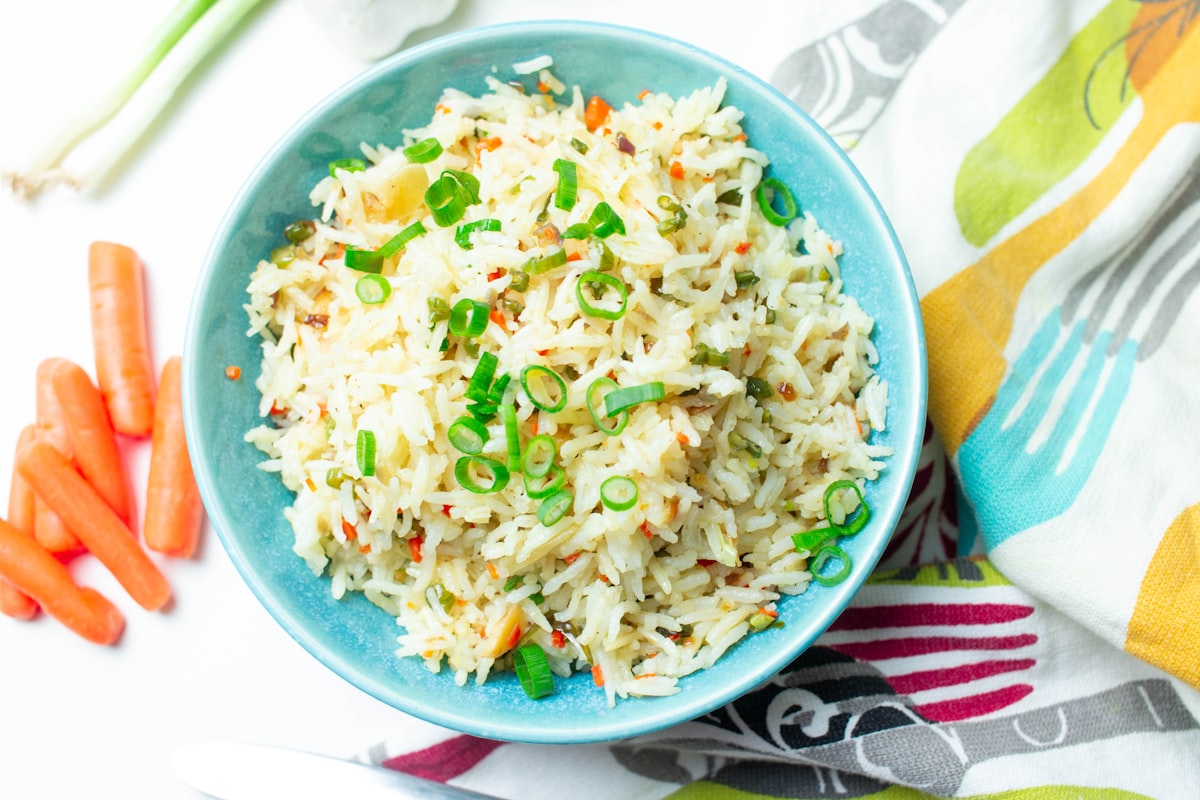
How to Make the Perfect Pilau Rice Every Time
The Side Dish That Makes or Breaks the Meal
You can cook the most extraordinary curry in the world, but if the rice is a sticky, clumpy mess, the whole meal suffers. Good pilau rice — fragrant with whole spices, each grain separate and fluffy, glistening with the faintest sheen of ghee — elevates everything it sits next to. Bad rice drags it down. And yet, rice is the thing most home cooks get wrong most often. It's either waterlogged, undercooked, mushy, or burnt to the bottom of the pan.
The technique we're sharing here is the absorption method, which is how rice is cooked across most of the Indian subcontinent. It's simple, reliable, and — once you've done it three or four times — completely foolproof. No rice cooker required. No colander. Just a saucepan, a lid, and a tea towel.
The Rice
Use basmati. Always basmati. Long-grain American rice, jasmine rice, risotto rice — these are all fine for other purposes, but they're not right for pilau. Basmati has a unique combination of length, slenderness, and fragrance that nothing else matches. The grains elongate dramatically when cooked, staying separate and firm rather than clumping together.
Buy the best basmati you can afford. Cheap basmati often contains broken grains that release excess starch and make the finished rice sticky. The premium brands — you'll recognise them in any Asian grocery by their cloth sacks and higher prices — cook noticeably better. It's one of those ingredients where quality genuinely makes a difference.
Ingredients (Serves 4)
- 300g basmati rice
- 450ml water (the 1:1.5 ratio — rice to water — is your key number)
- 1 tablespoon ghee or butter
- 1 small onion, thinly sliced (optional but lovely)
- 4 green cardamom pods, lightly crushed
- 4 whole cloves
- 1 cinnamon stick (about 5cm)
- 2 bay leaves
- ½ teaspoon cumin seeds
- ½ teaspoon salt
- Pinch of saffron threads soaked in 2 tablespoons warm milk (optional, for colour and fragrance)
Step 1: Wash the Rice
This is non-negotiable. Unwashed rice carries surface starch that turns your pilau into porridge. Place the rice in a large bowl, cover with cold water, and swirl gently with your hand. The water will turn cloudy white. Drain and repeat. You'll need to do this four or five times until the water runs mostly clear. Then soak the washed rice in fresh cold water for twenty minutes. This pre-soaking allows the grains to absorb some water before cooking, which means they'll cook more evenly and elongate properly. Drain thoroughly in a sieve before cooking.
Step 2: Toast the Spices
Melt the ghee in a heavy-bottomed saucepan (one with a tight-fitting lid) over medium heat. If using onion, add the slices and fry for five to seven minutes until golden and crisp. Remove half for garnish, leaving the rest in the pan. Add the cardamom, cloves, cinnamon, bay leaves, and cumin seeds. Stir in the hot ghee for about a minute — you'll smell the spices releasing their oils, which is exactly what you want. This brief toasting intensifies their fragrance enormously.
Step 3: Cook the Rice
Add the drained rice to the pan and stir gently for one minute, coating each grain with ghee and spices. Pour in the 450ml of water and the salt. If using saffron milk, add it now. Stir once — and only once. Bring to a boil over high heat. As soon as it boils, reduce the heat to the absolute lowest setting your hob allows, clamp the lid on tightly, and set a timer for twelve minutes.
Do not lift the lid during these twelve minutes. Do not stir. Do not check. The steam trapped inside is doing precise work — cooking the rice evenly from all angles. Every time you lift the lid, you release steam and disrupt the process.
Step 4: The Tea Towel Trick
After twelve minutes, turn the heat off completely. Do not remove the lid. Instead, quickly lift the lid just enough to drape a clean tea towel or muslin cloth over the pan, then replace the lid on top of the cloth. The cloth absorbs excess steam that would otherwise condense on the lid and drip back onto the rice, making the top layer soggy. Leave it like this for ten minutes.
This resting period finishes the cooking with residual heat and allows the moisture to distribute evenly through the rice. When you finally remove the lid after ten minutes, you'll find rice that's fluffy, separate, and perfectly cooked from top to bottom.
Step 5: Fluff and Serve
Use a fork (never a spoon) to gently fluff the rice, separating the grains without crushing them. Remove the whole spices if you prefer, or leave them in for presentation. Scatter with the reserved fried onions if you made them. The rice is ready to serve immediately alongside your curry.
Common Mistakes and How to Avoid Them
- Too much water. The 1:1.5 ratio (rice to water) is precise. More water means mushier rice. Less water means crunchy, undercooked grains. Measure both carefully.
- Not washing. Surface starch is the enemy of separate grains. Wash until the water runs clear.
- Lifting the lid. Twelve minutes of trust. That's all it takes. Keep the lid on.
- Skipping the rest. The ten-minute rest with the tea towel is the difference between good pilau and perfect pilau. Don't skip it.
- Stirring after adding water. One stir to distribute, then leave it alone. Stirring breaks the grains and releases starch.
For more rice knowledge, explore our ultimate biryani guide, which takes these principles further with layered cooking techniques. And for guidance on cooking fats, our piece on choosing the right oil for curry explains why ghee makes such a difference in pilau.
Perfect pilau rice is the quiet foundation of a great curry meal. Nobody writes poetry about rice. Nobody posts it on Instagram. But get it right, and everything else on the table sings louder. That's the mark of a truly great side dish.
Related Articles
Shorshe Ilish: The Bengali Art of Hilsa in Mustard Gravy
Shorshe ilish marries the oily, intensely flavoured hilsa fish with a sharp mustard gravy in a dish that sits at the very heart of Bengali identity. Here is how it is built, why the bones matter, and how to tame the bitterness of the mustard.
Kosha Mangsho: How Bengalis Slow-Cook Mutton to Mahogany
Kosha mangsho is Bengal's deep, dark, celebratory mutton curry, coaxed to a mahogany sheen through slow reduction rather than added colour. This is the bhuna-style technique behind the wedding-and-festival classic, and how to serve it with luchi.

Chingri Malai Curry: Bengal's Prawn and Coconut Showpiece
Chingri malai curry pairs plump prawns with a silky, gently spiced coconut gravy in one of Bengal's grandest dishes. We trace its possible Malay roots, explain how to pick the right prawns, and share the technique that keeps the coconut milk from splitting.