
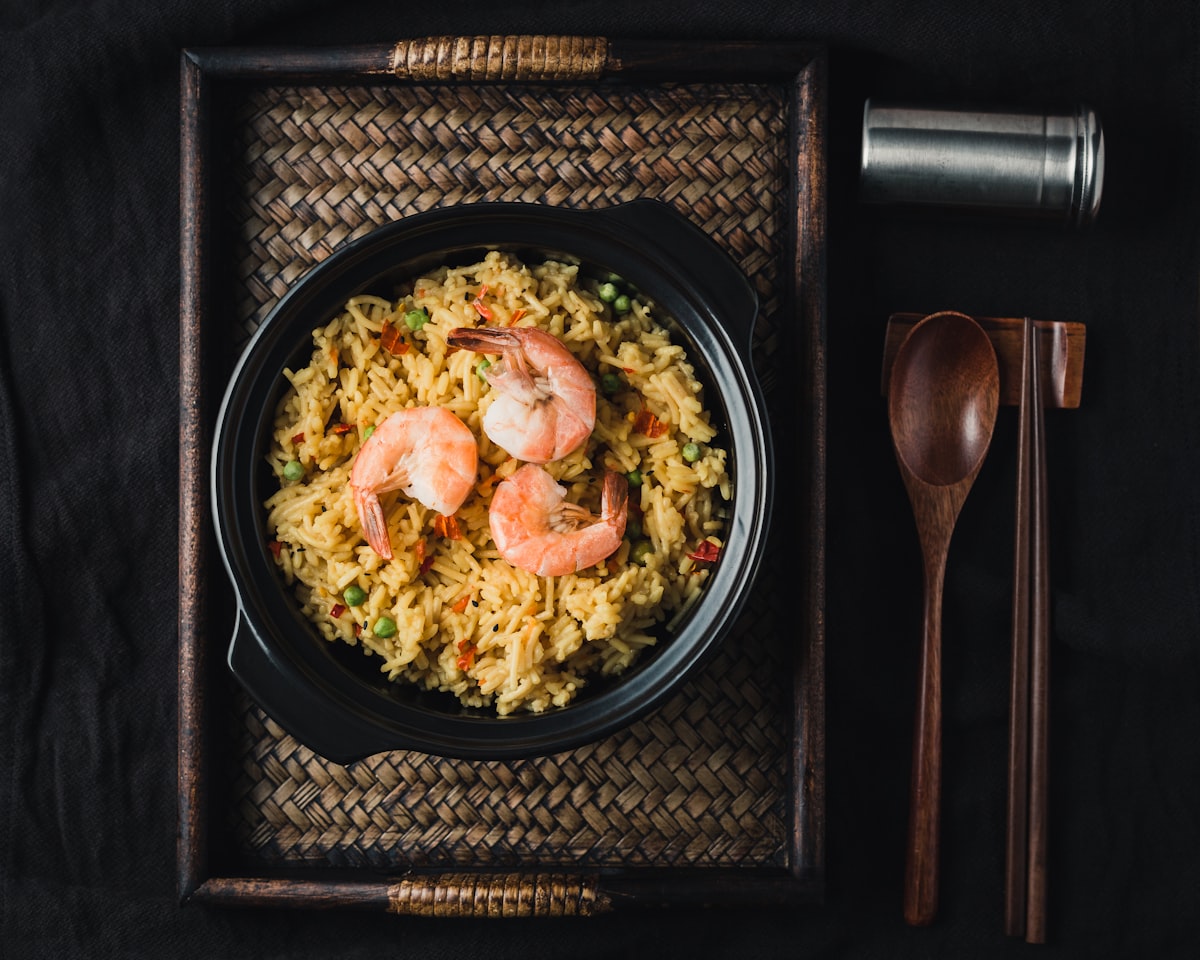
Ultimate Biryani Guide: Hyderabadi to Lucknowi
Understanding Biryani: More Than Just Rice and Meat
Biryani is arguably the most celebrated rice dish in South Asian cuisine, a layered masterpiece of fragrant basmati rice, spiced meat, and aromatic herbs. Each region of the Indian subcontinent has developed its own distinctive style, from the bold flavours of Hyderabadi dum biryani to the subtle elegance of Lucknowi varieties.
Making great biryani at home is entirely achievable, but it requires understanding the key principles: the quality of the rice, the preparation of the meat, and the technique of layering and slow-cooking known as dum.
Choosing Your Rice
The rice is the foundation of any biryani. Use only aged basmati rice, which has lower moisture content and produces longer, more separate grains when cooked. Look for rice labelled as aged for at least one year, with some premium varieties aged for two years or more.
Wash the rice thoroughly in several changes of cold water until the water runs clear, then soak for 30-45 minutes before cooking. This removes excess starch and allows the grains to absorb water evenly, resulting in perfectly fluffy rice that does not clump together.
Hyderabadi Dum Biryani
The most famous style worldwide, Hyderabadi biryani uses the kacchi method where raw marinated meat is layered with partially cooked rice and sealed in a heavy pot. The dish cooks entirely through the dum process, with steam trapped inside the sealed vessel slowly cooking the meat while infusing the rice with its juices.
- Marinate lamb or goat in yoghurt, green chilli paste, ginger-garlic paste, and biryani masala for 4 hours minimum
- Par-boil rice in heavily salted water with whole spices until 70% cooked
- Layer raw marinated meat, then rice, then saffron milk, fried onions, and fresh herbs
- Seal the pot with dough or foil and cook on very low heat for 45-60 minutes
Lucknowi (Awadhi) Biryani
Lucknowi biryani uses the pakki method, where the meat is partially cooked before layering with rice. The result is more delicate and subtle than Hyderabadi style, with lighter spicing and a distinctive use of saffron and kewra water.
This style reflects the refined Mughlai cuisine of the Awadh region, where presentation and subtlety were valued as highly as bold flavour. The meat is typically cooked in a korma-style gravy before being layered with the rice.
Essential Biryani Tips
- Never skip the fried onions — they provide crucial sweetness and texture
- Use real saffron strands soaked in warm milk for authentic colour and flavour
- A tight seal on the pot is essential for proper dum cooking
- Let the biryani rest for 10 minutes after cooking before opening the lid
- Serve with raita, mirchi ka salan, and boiled eggs for an authentic Hyderabadi experience
For more curry recipes, explore our lamb rogan josh guide or discover the best biryani restaurants in Birmingham.
Related Articles
Shorshe Ilish: The Bengali Art of Hilsa in Mustard Gravy
Shorshe ilish marries the oily, intensely flavoured hilsa fish with a sharp mustard gravy in a dish that sits at the very heart of Bengali identity. Here is how it is built, why the bones matter, and how to tame the bitterness of the mustard.

Kosha Mangsho: How Bengalis Slow-Cook Mutton to Mahogany
Kosha mangsho is Bengal's deep, dark, celebratory mutton curry, coaxed to a mahogany sheen through slow reduction rather than added colour. This is the bhuna-style technique behind the wedding-and-festival classic, and how to serve it with luchi.

Chingri Malai Curry: Bengal's Prawn and Coconut Showpiece
Chingri malai curry pairs plump prawns with a silky, gently spiced coconut gravy in one of Bengal's grandest dishes. We trace its possible Malay roots, explain how to pick the right prawns, and share the technique that keeps the coconut milk from splitting.