
Second-Generation Curry House Owners: New Ideas Old Recipes
Growing Up With Turmeric Under Your Fingernails
Priya was seven when she first learned to roll a perfect naan. Not in a cooking class or from a YouTube tutorial, but on a Wednesday night in her parents' restaurant in Wolverhampton, standing on a milk crate to reach the worktop whilst her dad ran service. By fourteen, she could prep the entire mise en place for a busy Saturday. By sixteen, she'd decided she never wanted to work in a restaurant again. By twenty-eight, she'd taken over the family business and tripled its turnover. Priya's story — the push-pull of heritage and ambition, obligation and opportunity — is shared by hundreds of second-generation curry house owners across Britain.
The Weight of Inheritance
Taking over a family curry house is nothing like buying an existing business. The emotional stakes are incomparably higher. Your parents didn't just build a restaurant — they built a life, often from almost nothing, frequently in the face of discrimination and hardship. The menu isn't just a menu; it's a record of their journey. The décor might be dated, but your mum chose those colours. The regular who sits in the corner every Thursday was your dad's first customer in 1987.
The second generation inherits all of this — the pride, the loyalty, the recipes, and the crushing weight of expectation. Changing anything feels like a betrayal. Not changing anything feels like a slow death. It's a dilemma that plays out in family kitchens across the country, usually over cups of chai that get progressively more tense.
The Conversation Nobody Wants to Have
Every second-generation owner we've spoken to describes a version of the same conversation: the one where you sit your parents down and explain that the flock wallpaper needs to go, the menu needs halving, and you want to start an Instagram account. The reactions range from cautious curiosity to outright hurt. "What's wrong with the way we do it?" is a question loaded with thirty years of sacrifice.
The most successful transitions happen when both generations find common ground. The core recipes stay — because they're brilliant and because they're family heritage. But the presentation evolves. The dining room gets a refresh. The marketing enters the 21st century. It's not about replacing what came before; it's about building on it.
What the New Generation Brings
The advantages that second-generation owners bring are substantial and specific. Most obviously, they've grown up in Britain — they understand British consumer culture intuitively, in a way that first-generation immigrants, however talented, sometimes didn't. They know what resonates on social media, what "premium" means to a British diner, and how to navigate the increasingly complex world of online reviews and reputation management.
Many have professional qualifications. We've met curry house owners with degrees in law, engineering, marketing, and hospitality management. They bring analytical thinking to a business that was often run on instinct and experience. British Asian entrepreneurs across the industry are applying these skills to everything from supply chain optimisation to data-driven menu engineering.
The Social Media Revolution
If there's one area where the generational shift is most visible, it's social media. First-generation owners typically relied on word of mouth, local newspaper adverts, and the occasional flyer through letterboxes. The second generation photographs every dish, films kitchen action for reels, responds to every Google review, and builds communities on Instagram that translate directly into bookings.
The impact can be dramatic. One owner in Leicester told us that a single viral TikTok video — showing his father's traditional biryani preparation method — brought more new customers in a month than the previous year's entire marketing budget. The emotional pull of these videos — heritage, craft, family — resonates deeply with audiences hungry for authenticity.
Menu Evolution Without Revolution
The smartest second-generation owners understand that menu changes must be evolutionary, not revolutionary. Loyal customers — many of whom have been coming for decades — don't want to arrive and find their favourite dish gone. The trick is to add new options without removing old ones (at least not immediately), and to gradually guide the menu towards a tighter, more distinctive offering.
Common changes include: introducing regional specialities alongside the standard curry house repertoire, adding a "chef's specials" section that rotates monthly, improving the vegetarian and vegan options, and reducing the overall menu size from 80+ dishes to 40-50 focused ones. Each change is an opportunity to tell a story — "This is our family's recipe from our village in Sylhet" is far more compelling than "Chicken Korma: mild and creamy."
Design and Atmosphere
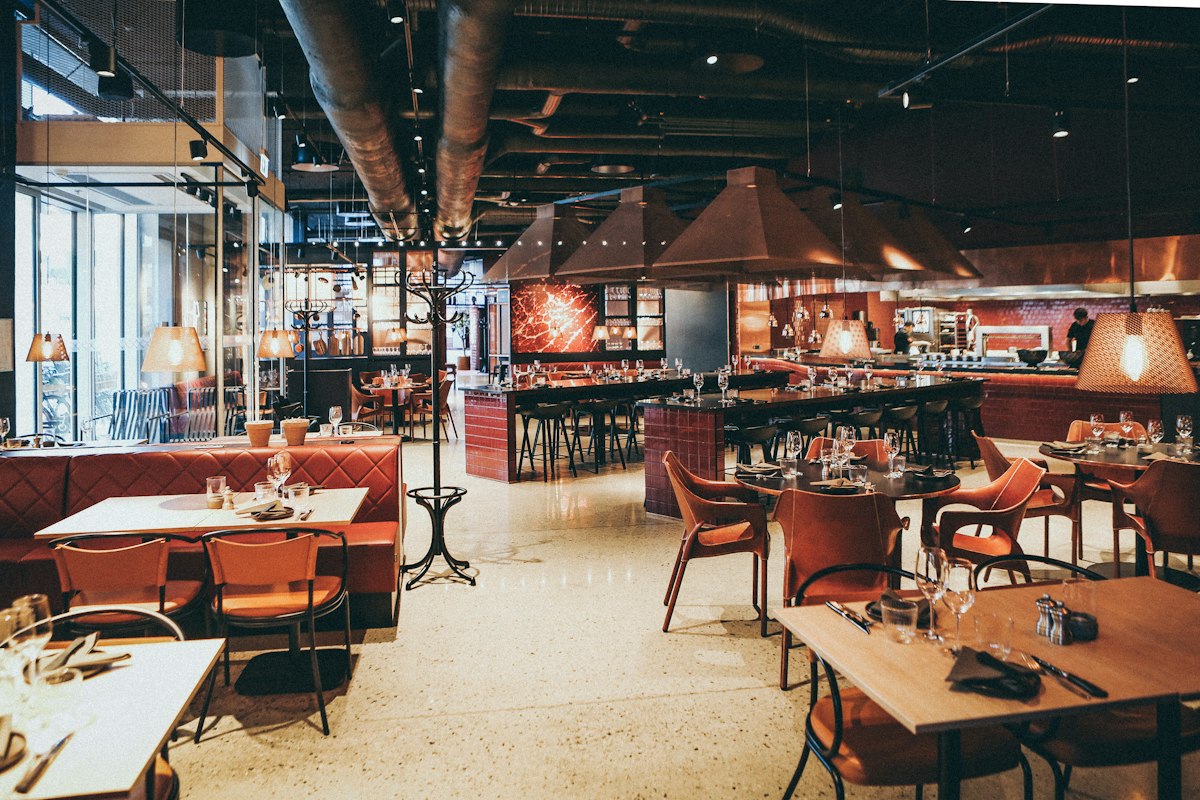
The physical transformation of curry houses under new ownership has been remarkable. Gone are the flock wallpaper, the brass ornaments, and the permanently dimmed lighting. In their place: exposed brick, warm timber, pendant lighting, and colour palettes inspired by subcontinental textiles. The aim is to create spaces that feel contemporary and inviting whilst nodding to South Asian design traditions.
Restaurant renovation is expensive and stressful, but the returns can be significant. A refreshed interior attracts younger diners, justifies modest price increases, and generates social media content (people photograph beautiful spaces almost as enthusiastically as they photograph beautiful food).
Maintaining What Works
For all the talk of innovation, the wisest second-generation owners know that some things shouldn't change. The warmth of service. The generosity of portions. The recipes that have been perfected over decades. The personal touch — knowing regulars by name, remembering their usual order, asking after their families.
These aren't old-fashioned qualities; they're timeless ones. They're what made curry houses beloved in the first place, and they're what will keep them beloved for generations to come. The best second-generation owners aren't replacing their parents' legacy — they're honouring it by ensuring it survives and thrives in a changing world.
The naan recipe stays. The Instagram account is new. Both matter.
Related Articles
Shorshe Ilish: The Bengali Art of Hilsa in Mustard Gravy
Shorshe ilish marries the oily, intensely flavoured hilsa fish with a sharp mustard gravy in a dish that sits at the very heart of Bengali identity. Here is how it is built, why the bones matter, and how to tame the bitterness of the mustard.

Shutki: Inside Bangladesh's Pungent World of Dried Fish
Shutki, Bangladesh's sun-dried fish, is one of the country's most polarising and beloved ingredients. This is the story of its coastal craft, its fiery bhortas and curries, and the deep regional pride it carries.

Mezban: The Communal Beef Feast of Chittagong
Mezban is Chittagong's grand tradition of feeding the community, centred on a fiery, ghee-rich beef curry served to thousands. Explore its history, its distinctive mezbani gosht, and how the custom travels to British gatherings.