
The Role of Curry in British Multiculturalism
More Than a Meal on a Plate
In 2001, the late Foreign Secretary Robin Cook stood up in Parliament and declared chicken tikka masala "a true British national dish." It was a speech about multiculturalism, about what modern Britain means, and about how identity is shaped not by bloodlines but by shared experience. He chose curry as his example because no other food tells the story of post-war Britain quite so completely — a story of immigration, adaptation, resilience, and the extraordinary power of food to bridge cultures that might otherwise remain strangers.
The Post-War Story
To understand curry's role in British multiculturalism, you need to go back to the late 1940s and 1950s. Britain, devastated by war and desperately short of labour, invited workers from its former colonies to help rebuild. Men from Sylhet (in what was then East Pakistan, now Bangladesh), Punjab, Gujarat, and other regions arrived in cities like London, Birmingham, Bradford, and Glasgow. They came to work in factories, on buses, in the NHS — and, eventually, in kitchens.
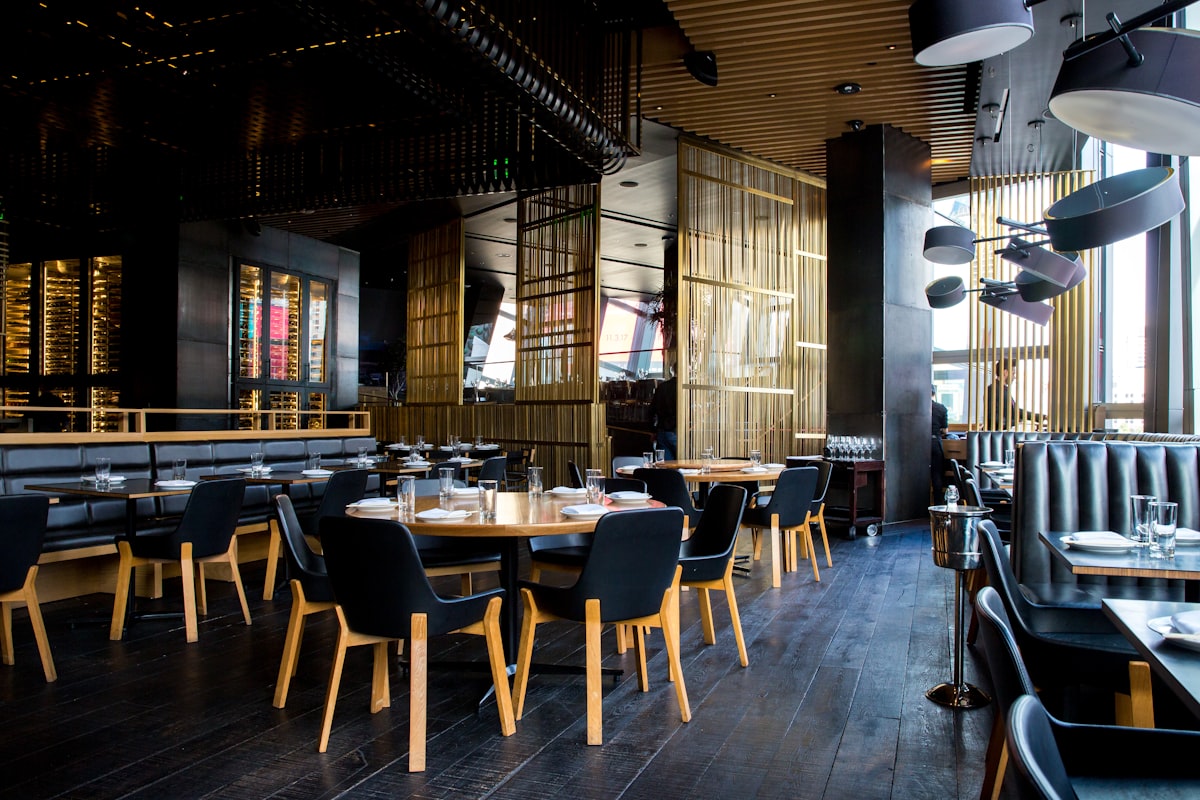
The first curry houses weren't glamorous affairs. They were often converted terraced houses or cramped cafés serving basic meals to homesick workers who craved the flavours of home. But gradually, British customers began to drift in — curious, adventurous, or simply hungry after the pub closed. What they found was a warmth and generosity that transcended language barriers. The history of curry in Britain is fundamentally a story of hospitality offered and accepted.
Curry Houses as Community Hubs
By the 1970s and 1980s, curry houses had become something remarkable: one of the few spaces in British society where people of different backgrounds sat together, ate together, and talked. In an era of significant racial tension — the National Front marches, the Brixton and Toxteth riots, the everyday discrimination faced by immigrants — the curry house was a quiet counterpoint. It was neutral ground, a place where a white working-class family from Salford and a Bangladeshi chef from Sylhet could share a moment of genuine human connection over a plate of lamb bhuna.
This wasn't by accident. South Asian culture places enormous value on hospitality — the idea that a guest, any guest, should be fed generously and treated with respect. This ethic infused the curry house experience and made it welcoming in a way that felt natural and uncontrived. Customers came for the food and returned for the feeling.
How Bangladeshi Restaurants Shaped British Curry
It's worth pausing to recognise the specific contribution of the Bangladeshi community. By the 1980s, an estimated 80-85% of all Indian restaurants in Britain were actually owned and operated by Bangladeshis, predominantly from the Sylhet region. These families — often arriving with very little money and limited English — built an industry from nothing that today employs over 100,000 people and generates billions in revenue.
The Bangladeshi influence on British curry went beyond ownership. The style of cooking that most Brits think of as "Indian" — the standardised menu of korma, madras, vindaloo, tikka masala — was largely a Bangladeshi creation, adapted from various regional traditions to suit British tastes. It wasn't "authentic" in the strict sense, but it was brilliant in its own right: accessible, affordable, and delicious enough to turn an entire nation into curry lovers.
The Windrush Connection
The story of curry in Britain can't be told without acknowledging the broader Windrush narrative. Caribbean immigrants, who arrived on the same post-war wave, brought their own spice traditions — jerk seasoning, curry goat, roti. In cities like London, Nottingham, and Bristol, Caribbean and South Asian food cultures intermingled, influencing each other in ways that continue to shape British eating habits today.
Curry goat, now a fixture on Caribbean restaurant menus across Britain, reflects this cross-pollination. The dish draws on Indian curry traditions brought to the Caribbean by indentured labourers in the 19th century, then returned to Britain by Caribbean immigrants in the 20th. It's multiculturalism in a pot — layers of migration, adaptation, and creativity.
Food as a Bridge
Why does food work as a bridge between cultures when so many other things don't? Part of the answer is physical — eating together is an intimate act that creates vulnerability and trust. Part is practical — everyone needs to eat, so food is universal common ground. And part is emotional — flavour triggers memory and nostalgia, and sharing those triggers with someone from a different background creates empathy.
Curry has been particularly effective as a bridge because it's participatory. The shared table, the communal dishes, the tearing of bread — these are active gestures that draw people in. You can't eat a curry passively. You have to engage, choose, reach, share. And in that engagement, barriers dissolve.
Modern Multiculturalism on the Menu
Today, Britain's curry scene reflects the country's increasingly diverse identity. Sri Lankan hoppers in Tooting, Nepali momos in Aldershot, Pakistani nihari in Bradford, South Indian dosas in Wembley — the old "one-size-fits-all" curry house menu is giving way to a richer, more specific landscape that celebrates individual culinary traditions rather than homogenising them.
This evolution is itself a story of multiculturalism maturing. The first generation built the foundation: curry as a shared British experience. The second and third generations are adding nuance: curry as a window into the incredible diversity of South Asian culture. Both chapters matter, and both deserve celebration.
Why This Story Matters Now
In a country still navigating questions of identity, belonging, and what "Britishness" means, curry remains a remarkably unifying force. It's embraced across class, geography, and ethnicity in a way that few other cultural products can claim. A Friday night curry is as much a part of British life as a Sunday roast or a trip to the football — and it got there not through imposition but through generosity, flavour, and the simple human act of sitting down to eat together.
That's a story we should tell more often. Not because it solves everything — curry alone doesn't fix structural inequality or end discrimination — but because it demonstrates what's possible when cultures meet with openness and respect. The curry house is proof that multiculturalism isn't just an abstract ideal. It's something you can taste.
Related Articles
Shorshe Ilish: The Bengali Art of Hilsa in Mustard Gravy
Shorshe ilish marries the oily, intensely flavoured hilsa fish with a sharp mustard gravy in a dish that sits at the very heart of Bengali identity. Here is how it is built, why the bones matter, and how to tame the bitterness of the mustard.

Shutki: Inside Bangladesh's Pungent World of Dried Fish
Shutki, Bangladesh's sun-dried fish, is one of the country's most polarising and beloved ingredients. This is the story of its coastal craft, its fiery bhortas and curries, and the deep regional pride it carries.

Mezban: The Communal Beef Feast of Chittagong
Mezban is Chittagong's grand tradition of feeding the community, centred on a fiery, ghee-rich beef curry served to thousands. Explore its history, its distinctive mezbani gosht, and how the custom travels to British gatherings.