
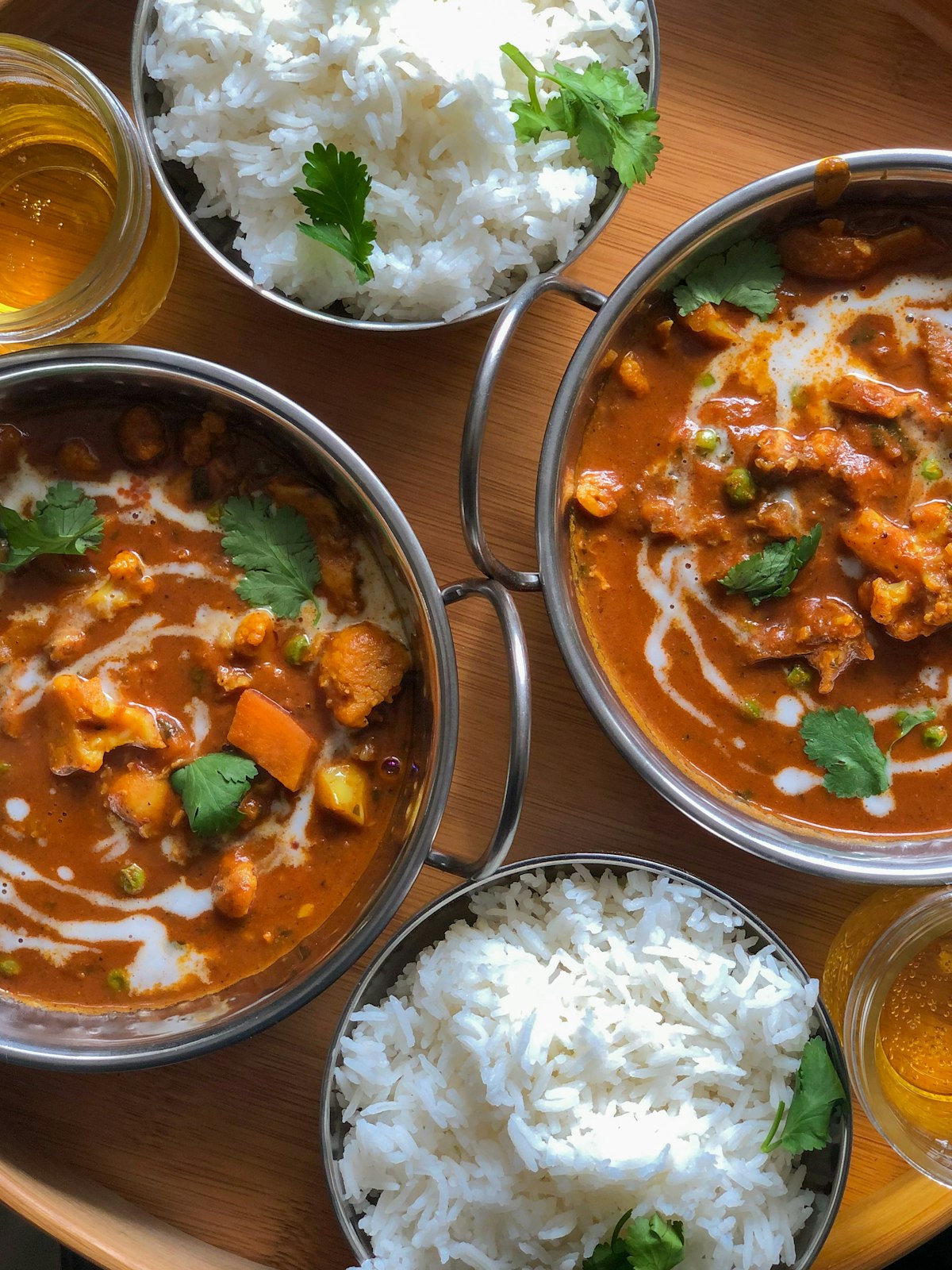
The Story Behind the Vindaloo: From Goa to Britain
It Wasn't Always About the Heat
Here's a fact that surprises nearly everyone: the vindaloo you know from your local curry house has almost nothing in common with the dish that inspired it. The original vindaloo wasn't even Indian — it was Portuguese. And it certainly wasn't designed to blow your head off. So how did a gentle, vinegar-based pork stew from Lisbon become Britain's most feared curry? That's a story worth telling.
The Portuguese Origins: Carne de Vinha d'Alhos
Long before vindaloo appeared on any British menu, Portuguese sailors were preserving meat in wine vinegar and garlic for long sea voyages. The dish they called carne de vinha d'alhos — literally "meat in garlic wine" — was a practical solution for keeping pork edible during months at sea. When the Portuguese colonised Goa in the early 16th century, they brought this recipe with them, along with their Catholic traditions and a fondness for pork.
Goan cooks, as brilliant as they've always been, took this basic Portuguese preparation and made it their own. They swapped wine vinegar for palm vinegar and toddy vinegar, which were locally abundant. They added tamarind for sourness, Kashmiri chillies for colour and warmth, and a paste of spices including cumin, black pepper, cinnamon, and cloves. The result was something entirely new — a tangy, deeply flavoured curry that bore the Portuguese name but spoke fluent Konkani.
What Makes an Authentic Goan Vindaloo
If you've never tasted a proper Goan vindaloo, you're in for a revelation. The defining characteristic isn't heat — it's the sharp, mouth-puckering tang of vinegar balanced against warm spices and the richness of slow-cooked pork. Traditional vindaloo uses a paste made from dried Kashmiri chillies (which provide gorgeous colour but moderate heat), garlic, ginger, cumin seeds, mustard seeds, peppercorns, cloves, and cinnamon, all ground with palm vinegar or white wine vinegar.
The pork is marinated in this paste for hours, sometimes overnight, before being slow-cooked until meltingly tender. There's no cream, no coconut milk, and absolutely no need for a glass of milk afterwards. It's assertive, yes, but it's sophisticated — a world away from what most Brits encounter.
How Vindaloo Crossed the Ocean to Britain
The journey from Goa to Britain happened in stages. Goan cooks — many of them Catholic, English-speaking, and experienced in working with European tastes — were among the first Indian chefs to work on British ships and in early Indian restaurants in London. By the mid-20th century, vindaloo had appeared on curry house menus across the country.
But here's where things went sideways. The history of curry in Britain is full of adaptations, and vindaloo got one of the most dramatic makeovers of all. British curry houses, predominantly run by Bangladeshi and Sylheti restaurateurs, needed a heat scale for their menus. Korma was mild, madras was medium, and vindaloo? Vindaloo became the hot one.
The Great British Transformation
The subtlety disappeared almost entirely. Out went the vinegar tang and delicate spice balance. In came eye-watering quantities of chilli powder, sometimes supplemented with Scotch bonnets or bird's eye chillies. The pork — essential in Catholic Goa — was replaced with chicken or lamb to suit a predominantly Muslim kitchen tradition. The result was a thick, fiery sauce that bore the name "vindaloo" but had lost its soul.
To be fair, there's nothing wrong with a hot curry. Plenty of people genuinely enjoy the endorphin rush that comes from serious heat. But calling that experience "vindaloo" is a bit like calling ketchup a tomato salad — technically related, but fundamentally different.
The Football Chant and Pop Culture Fame
Vindaloo's reputation as Britain's most macho curry was cemented forever in 1998 when Fat Les released "Vindaloo" as an unofficial England World Cup anthem. The song had absolutely nothing to do with the dish — it was a gloriously daft celebration of English football culture — but it turned "vindaloo" into a word that every person in Britain recognised. Suddenly, ordering a vindaloo wasn't just about dinner; it was a statement of bravery, a rite of passage, a dare.
This cultural moment, combined with the laddish pub-to-curry-house pipeline that defined 1990s Britain, meant that vindaloo became synonymous with challenge eating rather than flavour. Understanding the regional curry styles across the Indian subcontinent helps put this in proper context — vindaloo is just one of thousands of distinct preparations, each with its own character.
Bringing Back the Real Vindaloo
Thankfully, the tide is turning. A growing number of restaurants across the UK — particularly those run by Goan chefs or second-generation owners with a passion for authenticity — are putting proper vindaloo back on the menu. These versions feature the vinegar tang, the warm spice paste, and often pork, just as the dish was meant to be.
If you'd like to try making it at home, here are the key principles: use Kashmiri chillies for colour, not bird's eye for heat. The vinegar should be prominent — at least three tablespoons for a four-person batch. Marinate your pork (shoulder works brilliantly) overnight. Cook it low and slow, and resist the urge to add cream or yoghurt. The acidity is the point.
A Few Recipe Pointers
- Chillies: 8-10 dried Kashmiri chillies, soaked and ground to a paste
- Vinegar: White wine vinegar or malt vinegar — palm vinegar if you can find it
- Spices: Cumin, mustard seeds, black pepper, cloves, cinnamon, fenugreek
- Meat: Pork shoulder, cut into 3cm cubes, marinated at least 4 hours
- Sugar: A teaspoon of jaggery balances the acidity beautifully
The real vindaloo deserves its moment in the sun — not as a dare, but as one of the most delicious curries ever created. Next time you see it on a menu, ask the waiter: is it hot, or is it proper?
Related Articles
Shorshe Ilish: The Bengali Art of Hilsa in Mustard Gravy
Shorshe ilish marries the oily, intensely flavoured hilsa fish with a sharp mustard gravy in a dish that sits at the very heart of Bengali identity. Here is how it is built, why the bones matter, and how to tame the bitterness of the mustard.

Shutki: Inside Bangladesh's Pungent World of Dried Fish
Shutki, Bangladesh's sun-dried fish, is one of the country's most polarising and beloved ingredients. This is the story of its coastal craft, its fiery bhortas and curries, and the deep regional pride it carries.

Mezban: The Communal Beef Feast of Chittagong
Mezban is Chittagong's grand tradition of feeding the community, centred on a fiery, ghee-rich beef curry served to thousands. Explore its history, its distinctive mezbani gosht, and how the custom travels to British gatherings.